
You’ve got the keys to your dream home, but there’s one crucial step between you and that first peaceful night’s sleep in your new space. Sarah explored this the hard way when she moved into what appeared to be a spotless two-story home in Austin last spring.
Three days after unpacking her boxes, she found mysterious sticky residue on every kitchen cabinet handle, dust bunnies the size of tumbleweeds behind the refrigerator, and fingerprints covering light switches she hadn’t even touched yet.
The previous owners had done a surface-level cleaning, but Sarah quickly realized that “move-in ready” doesn’t always mean truly clean. That’s where a comprehensive new home cleaning checklist becomes your best friend; it transforms your new house from someone else’s space into your pristine sanctuary, ensuring every corner meets your standards before you settle in.
Why You Need to Clean Before Moving In?
Moving into a new home without proper cleaning is like wearing someone else’s clothes without washing them first, technically possible, but pretty uncomfortable. Even the cleanest-looking homes hide surprises in unexpected places.
Previous residents leave behind more than just memories. You’ll find hair in drains, food particles in appliance crevices, and cleaning product residue on surfaces. Professional cleaning services often miss detailed work because they’re rushing between properties. That’s why creating your own deep cleaning new house checklist confirms nothing gets overlooked.
Think about it this way: you’re about to spend thousands of hours in this space over the coming years. Wouldn’t you rather start fresh? Plus, cleaning an empty house is infinitely easier than maneuvering around furniture and belongings later.
Essential Supplies for Your Deep Clean
Before diving into your new home cleaning checklist, gather the right tools. You’ll need more than just basic supplies for this thorough job.
Cleaning Solutions You’ll Need
- All-purpose cleaner for general surfaces
- Glass cleaner for windows and mirrors
- Disinfectant for high-touch areas
- Degreaser specifically for kitchen surfaces
- Specialized bathroom cleaners for soap scum and mold
Tools and Equipment
- Microfiber cloths and sponges
- Scrub brushes and steel wool for stubborn spots
- Vacuum cleaner with various attachments
- Mop and bucket for floor cleaning
- Step ladder for reaching high areas
- Rubber gloves to protect your hands
Professional house cleaning services often use commercial-grade products, but household versions work perfectly fine for your deep cleaning project. The key is having everything ready before you start; trust me, you don’t want to pause mid-clean to run to the store.
Room-by-Room Cleaning Guide
Kitchen Deep Clean
The kitchen demands extra attention since it’s where food preparation happens. Start with appliances – clean inside the refrigerator, oven, microwave, and dishwasher. Previous owners might have left spills and odors that need addressing.
Kitchen Cleaning Checklist:
- Clean inside and outside of all appliances
- Wipe down cabinet interiors and exteriors, including handles
- Thoroughly clean pantry shelves and check for forgotten items
- Scrub sink and freshen garbage disposal with ice and lemon
- Degrease stovetop and surrounding areas
- Clean light fixtures and check for grease buildup
- Sanitize countertops and backsplash
- Check under sink for leaks or cleaning product residue
Bathroom Sanitization
Bathrooms require the most thorough disinfection on your professional house cleaning checklist. Start with toilet cleaning – inside, outside, and around the base where accidents happen. Replace the toilet seat if it looks worn or stained.
Complete Bathroom Cleaning Checklist:
- Scrub toilet inside, outside, and around base
- Deep clean bathtub and shower, removing soap scum
- Clean shower door tracks and curtain rod areas
- Disinfect all surfaces including towel bars and toilet paper holders
- Clean mirrors and remove water spots from light fixtures
- Check and clean ventilation fans for dust buildup
- Sanitize switch plates and door handles
- Replace toilet seat if necessary
Living Areas and Bedrooms
These spaces might seem simple, but they need attention too. Vacuum or sweep all floors, including under built-in furniture. Dust ceiling fans, light fixtures, and window sills.
Wipe down all surfaces, including baseboards and door frames. Clean windows inside and out for maximum natural light. Don’t forget closets; vacuum the floors and wipe down shelving and hanging rods.
Check for any wall damage that needs addressing before you move furniture in. This is also the perfect time to touch up paint if needed.
Deep Cleaning Specific Areas
HVAC System and Vents
Your heating and cooling system circulates air throughout your home, so it deserves special attention. Here’s what you need to tackle:
- Replace all air filters; they’re probably overdue anyway.
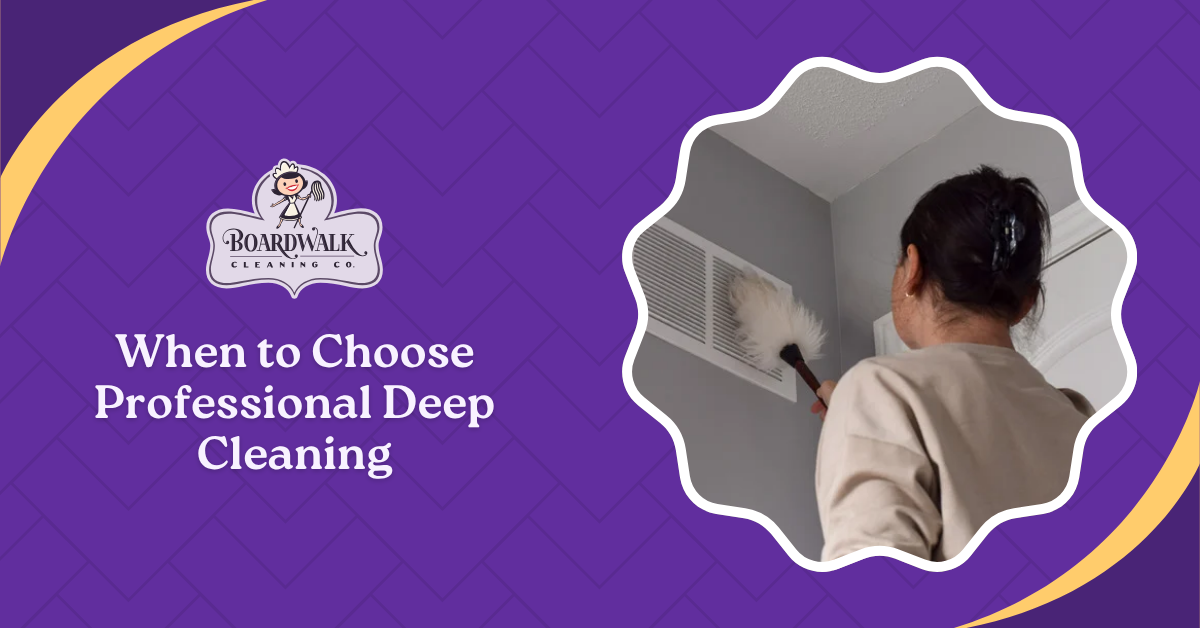
- Clean air vents and registers with vacuum attachment and damp cloth
- Clear debris from the outdoor HVAC unit and gently hose it down.
- Consider professional ductwork cleaning for optimal air quality.
This step is particularly important for people with allergies or respiratory issues, and it improves your system’s efficiency right from the start.
Floors and Carpets
Different flooring types require specific approaches. For hardwood floors, use appropriate wood cleaner and avoid excess water that could cause damage. Tile and grout need scrubbing with a brush to remove buildup.
Carpets benefit from professional steam cleaning, but you can rent equipment for a DIY approach. Pay extra attention to high-traffic areas and any visible stains. If carpets smell musty, consider using a deodorizing treatment.
Laminate and vinyl floors are easier to clean but still need proper products to avoid streaking or damage.
Windows and Light Fixtures
Clean windows. Transform a home’s appearance by maximizing natural light. Use newspaper or microfiber cloths to avoid streaking, and don’t forget window tracks and sills.
Light fixtures collect dust and dead bugs over time. Remove glass covers when possible for thorough cleaning. Replace any burned-out bulbs while you’re at it.
Ceiling fans deserve special mention; they’re dust magnets and require careful cleaning of each blade. This job is much easier before your furniture arrives.
Professional vs. DIY Cleaning
Deciding between professional services and DIY cleaning depends on your budget, time, and energy levels. Deep cleaning in Austin, for example, typically costs between $200 and $500 for an average home, depending on size and condition.
Professional cleaners bring experience and commercial-grade equipment, but they might rush through jobs or miss personal preferences. DIY cleaning takes more time but allows complete control over standards and methods.
Consider a hybrid approach: hire professionals for major tasks like carpet cleaning or duct cleaning, then handle detailed work yourself. This gives you the best of both worlds while staying within budget.
Time Management and Planning
Allocate realistic time for your new home cleaning checklist. A thorough deep clean typically takes 1-3 days for an average home, depending on condition and help available.
Start with the dirtiest areas first, usually kitchens and bathrooms. Work from top to bottom in each room to avoid re-cleaning lower surfaces. Plan breaks to avoid burnout, especially if you’re doing this solo.
Consider recruiting family or friends to help. Many hands make light work, and you can order pizza as payment. Just assign specific tasks to avoid confusion and confirm quality control.
Safety Considerations
Cleaning products can be dangerous when mixed improperly or used in poorly ventilated spaces. Here are essential safety guidelines to follow:
Chemical Safety Rules
- Never mix different cleaners; some combinations create toxic gases.
- Always read product labels and follow instructions carefully.
- Store chemicals safely away from children and pets.
- Use products in well-ventilated areas only.
Personal Protection
- Wear rubber gloves to protect your skin.
- Use masks when working with strong chemicals.
- Wear eye protection for overhead cleaning tasks.
- Take regular breaks to avoid chemical exposure buildup
Keep pets and children away from cleaning areas until products have dried and spaces are ventilated. Some cleaning residues can be harmful to sensitive family members, so err on the side of caution.
Final Walkthrough and Move-In Preparation
Once you’ve completed your deep cleaning new house checklist, do a final walkthrough with fresh eyes. Check for missed spots and ensure all surfaces are dry and ready for use.
Pre-Move-In Final Checklist:
- Test all cleaned appliances for proper function
- Turn on lights and fans to ensure everything works after cleaning
- Check that all surfaces are completely dry
- Verify windows open and close smoothly after cleaning
- Ensure all cleaning supplies are properly stored or disposed of
- Take photos of your clean home for future reference
- Document any remaining issues that need professional attention
This final inspection ensures your hard work pays off and prevents any surprises on moving day. You’ll feel confident knowing every corner of your new home meets your cleanliness standards.
Maintaining Your Clean Home
Your effort in deep cleaning pays off when you maintain these standards. Establish cleaning routines early to prevent buildup and make future cleaning easier.
Create a regular professional house cleaning checklist for weekly and monthly tasks. This prevents the need for another major deep clean and keeps your home feeling fresh.
Consider seasonal deep cleaning to address areas that accumulate grime over time. Your initial thorough cleaning makes these maintenance sessions much more manageable.
Conclusion
Moving into a new home should feel like a fresh start, not a continuation of someone else’s cleaning habits. Your comprehensive new home cleaning checklist confirms every surface, corner, and crevice meets your standards before you unpack that first box.
The hours you invest in deep cleaning now save countless hours of frustration later. You’ll sleep better knowing your new space is truly yours, clean, fresh, and ready for the memories you’re about to create. Whether you tackle this project yourself or hire professionals for certain tasks, the investment in a thoroughly clean home pays dividends in comfort and peace of mind.
Remember, this isn’t just about cleanliness; it’s about taking ownership of your space and starting this new chapter on the right foot. Welcome home!
Frequently Asked Questions
- How long should I wait between the previous owners moving out and my deep cleaning?
Ideally, start your deep cleaning within 24-48 hours after the previous owners vacate. This prevents dust from settling and gives you the cleanest starting point. If there’s a longer gap, you might need extra dusting and wiping down of surfaces.
- Should I clean the garage and basement with the same intensity as living spaces?
While garages and basements don’t need the same sanitization level as kitchens and bathrooms, they still deserve attention. Focus on sweeping floors, wiping down storage areas, checking for pests or water damage, and ensuring proper ventilation. These spaces often harbor odors that can migrate into your main living areas.
- What’s the best order to clean rooms to maximize efficiency?
Start with bedrooms and living areas first, then tackle bathrooms, and finish with the kitchen. This prevents spreading germs from dirtier areas to cleaner ones. Within each room, always work from top to bottom, ceiling fans first, floors last.
- How do I handle situations where the previous owners left items behind?
Contact your real estate agent immediately if you find personal belongings. Don’t dispose of anything without permission, as this could create legal issues. For obvious trash or cleaning supplies, photograph everything before disposal to protect yourself.
- Is it worth cleaning areas I plan to renovate immediately?
Yes, at least do basic cleaning even in renovation areas. Dust and debris can spread throughout your home during construction, and starting with a clean slate makes the renovation process more pleasant. Plus, you might explore issues that affect your renovation plans during the cleaning process.