Processing...

Yes, a rigorous cleaning schedule can reduce pet allergy symptoms by up to 90% by removing the “Triple Threat” of dander, saliva proteins, and outdoor pollen trapped in fur. In Austin, cleaning is twice as important because pets act as “pollen sponges,” carrying microscopic Mountain Cedar and Oak spores into your carpets, furniture, and bedding.
Austin is famously one of the most pet-friendly cities in America, but it is also an “Allergy Capital.” If you share your home with dogs, cats, birds, etc. you already know how quickly fur, dander, and dust can take over—especially during allergy season. Combine that with Austin’s year-round allergens like cedar, oak, and mold, and the sneezing never seems to stop.
As a residential cleaning company with 22+ years in Austin homes, we’ve seen firsthand how pet allergies affect busy families, working professionals, and newcomers to the city.
This guide provides a professional-grade cleaning strategy to neutralize pet dander and the seasonal “hitchhiker” allergens that cause Austin’s notorious respiratory issues.
In most cities, pet allergies are strictly about dander. In Austin, pet allergies are compounded by:
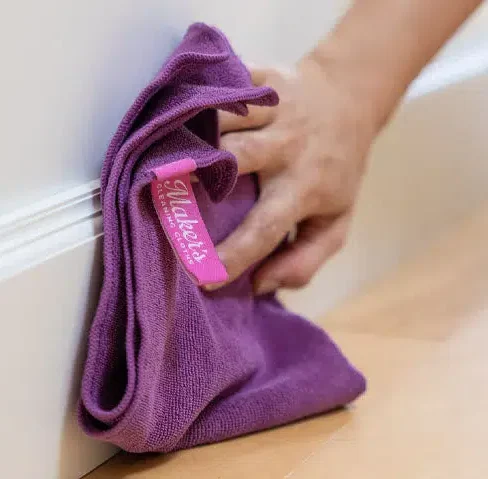
The most effective tools for removing pet allergens are certified HEPA-filter vacuums, damp microfiber cloths, and high-heat laundering (130°F+). HEPA filters are essential because they trap 99.97% of microscopic particles, preventing dander and saliva proteins from being exhausted back into your breathing zone.
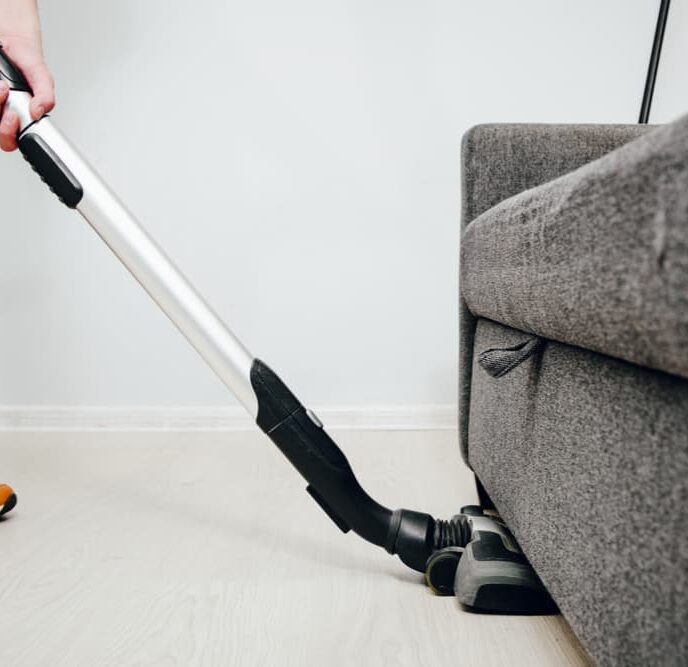
These steps go deeper than the usual “vacuum more” advice. They’re based on real methods our technicians use every day across more than 13,000 Austin area homes.
You should wash pet beds and human bedding every 7 days in water at least 130°F. This temperature is required to neutralize the Feline allergen 1 (cat) and Canis familiaris allergen 1 (dog) proteins found in pet saliva and skin cells.
Pro Tip: If your pet naps in the same spot daily, vacuum that area daily. It takes two minutes and makes a major difference in air quality.
Note: Austin’s older homes (Hyde Park, Allandale, Brentwood) tend to circulate more dust due to older ducts. Extra filter changes help.
Brooms push dander into the air. Vacuum instead.
Fragrances can irritate allergies more.
Beds harbor the highest concentration of dander.
Dander collects in hidden piles.
Replace air filters every 30 days. Austin dust clogs them quicker than in many cities.
Here’s what our cleaning teams see again and again:
Especially in carpeted apartments around North Austin and Round Rock.
We often remove layers of embedded fur that homeowners didn’t realize were there.
Especially dusting high-to-low and cleaning ceiling fans.
Our clients with both kids and pets see the biggest improvement when we implement weekly maintenance cleanings.
Professional cleaning helps by:
If you’re overwhelmed—or sneezing nonstop—it may be time for a deep cleaning service or recurring cleaning to keep your home feeling fresh week after week.
Managing pet allergies in Austin requires a shift from “cleaning for looks” to “cleaning for air quality.” By focusing on entry-point decontamination (the paw wipe), HEPA filtration, and high-heat laundry, you can enjoy your pets without the constant sneezing.
You cannot remove dander permanently, but you can maintain a “Low-Allergen Baseline” by vacuuming three times weekly and professional steam cleaning quarterly. Consistent removal prevents dander from embedding into carpet fibers and furniture joints.
Yes. When outdoor pollen counts are high, your pet’s fur acts as a magnet for Cedar and Oak spores. This creates a “synergistic” allergic reaction where you are reacting to both the pet and the pollen simultaneously.
Yes, hardwood floors are superior to carpet because they do not “trap” allergens. However, dander still settles on hard surfaces; without daily dry-mopping or a “Robovac” with a HEPA filter, these allergens will simply be kicked back into the air by foot traffic.
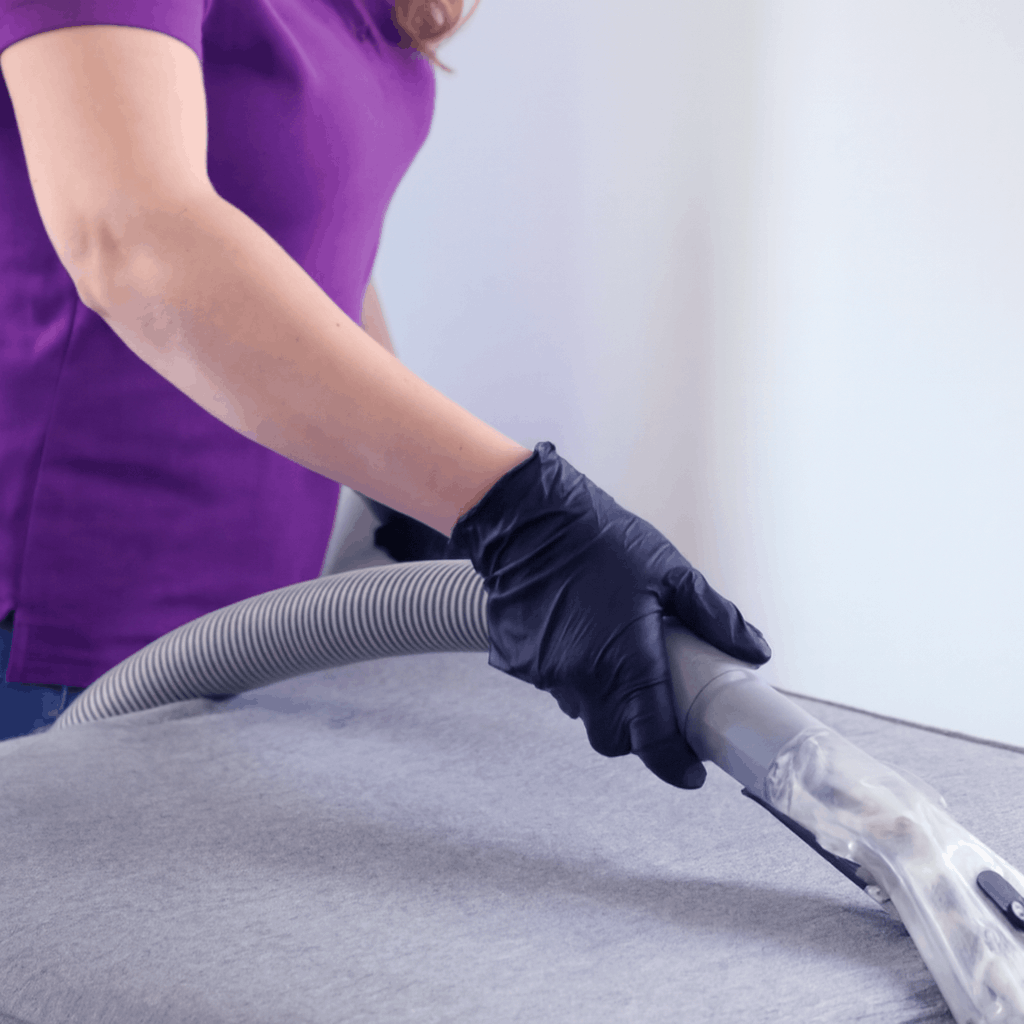
Yes. Professional cleaners have access to industrial-grade HEPA vacuums and specialized descaling tools that remove the deep-set dander and saliva proteins that household equipment often misses.
The most effective way to remove pet allergens is to use a combination of sealed HEPA-filter vacuums, damp microfiber cloths, and hot water laundering (130°F+). In Austin, standard dusting often fails because it recirculates microscopic “Cedar Fever” pollen that pets track in. HEPA filters are essential because they trap 99.97% of dander and saliva proteins, while microfiber cloths “grab” sticky cedar and oak resins rather than just moving them around.
If you have pets and allergies, you should vacuum three times weekly, dust all surfaces once a week, and wash pet bedding every 7 to 14 days. In high-growth areas of Austin like East Austin or Mueller, fine limestone construction dust can settle quickly on pet fur. Increasing your vacuuming frequency—especially on rugs and upholstered furniture—prevents dander and seasonal pollen from embedding deep into fibers.
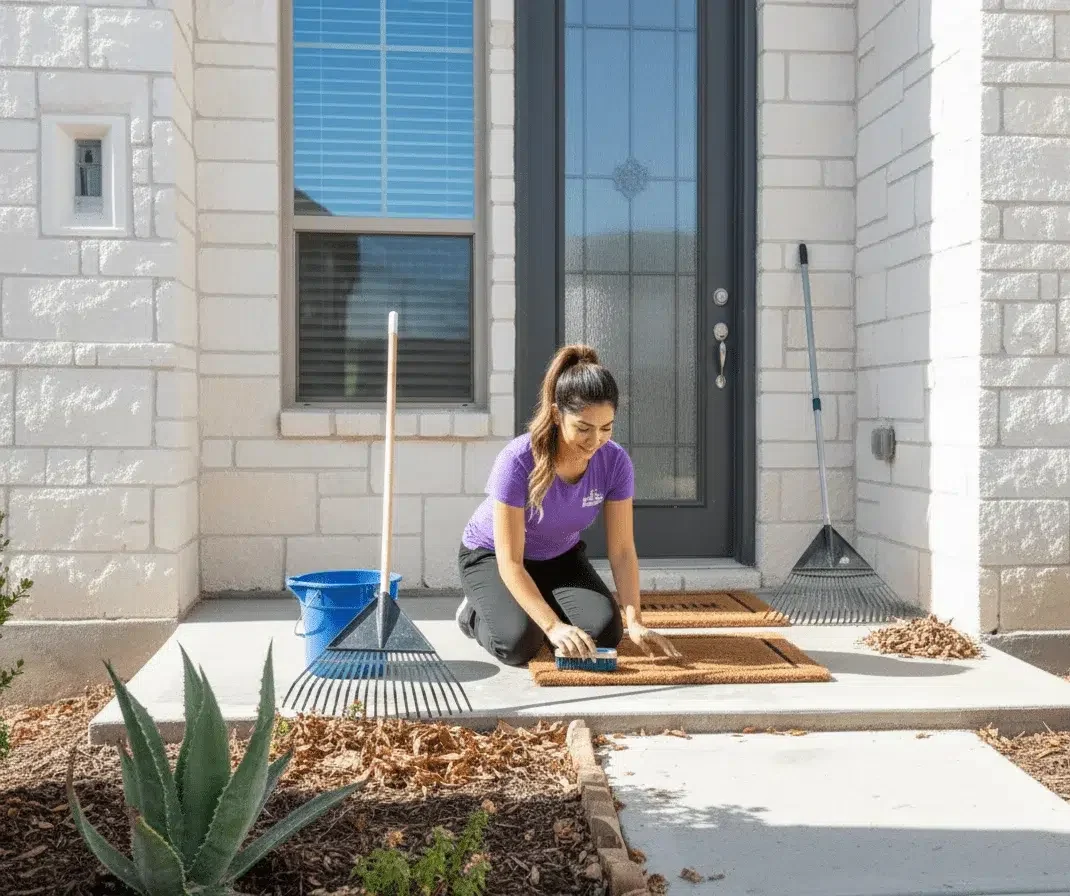
No, bathing your pet every 2 to 4 weeks is usually ideal; more frequent bathing can dry out their skin, leading to more dander production. Instead of full baths, Austin pet owners should implement a “paw and coat wipe” routine using a damp cloth after every walk. This effectively removes the microscopic Mountain Cedar or Oak pollen your pet collects in the yard without irritating their skin.
Stop trading your weekends for housework. Get a reliably clean home from the Austin experts who care
Or text us anytime (512) 900-7592